MILLIONS OF MARRIAGES REACHED...

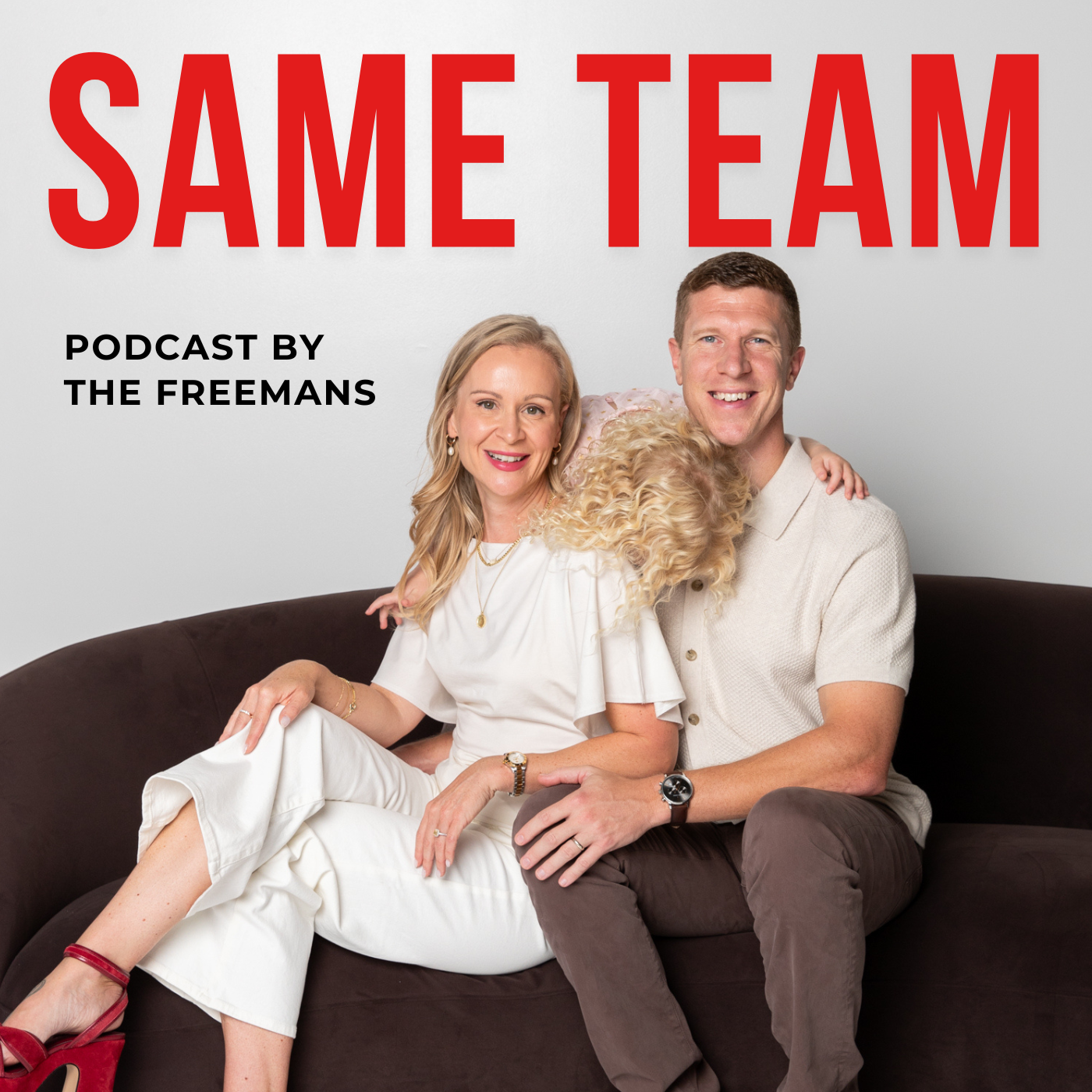
Aaron & Jocelyn Freeman main website photo together

We teach couples the tools and skills to communicate better, repair conflicts faster, and stay connected through any challenge.

arrow pointing down to the website resources

Behind Any Challenge is a Missing
Skill That Can Be Learned

Behind Any Relationship Challenge is a Missing Skill That Can Be Learned

From one couple to another, we know it's frustrating to love your partner, yet keep running into the same patterns that cause disconnection.

We've been there too, we had totally different upbringings, communication styles, and ways we responded to emotion. And we totally get it if you...
Feel there is tension in those moments of communicating a need, desire, or emotion. You are met with logical solutions that just have you feel invalidated and unheard.
Then seemingly simple conversations can escalate into conflicts. You might move past the conflict but don't actually repair it. For parents, you hate for your kids to witness these patterns.
It seems easier to hold back expressing future needs and wants or just give the silent treatment. This only leads to not feeling you can be your true self, but it's the best option you have.
Have unintended disconnection or even resentment. You've been more focused on the daily tasks and activities rather than creating connection and inspiration as a family.
Yet we can assure you that you've finally found the place to learn, practice, and implement the missing tools to be the best person, partner, and parent you can be! 

How to Effectively Repair After
an Argument

Register for this FREE WEBCLASS with The Freemans to reconnect in minutes rather than hours or days... without re-triggering a fight! 

How to Effectively Repair After an Argument

Register for this LIVE FREE WEBCLASS with to reconnect in minutes rather than hours or days... without re-triggering a fight!

Choose the Next Best Step For You

Couples Challenge

picture of the freemas as an icon for the challenge

30-Day Challenge to have you feel more loved and connected.

LEARN MORE

Repair Guide

the image of the repair guide pages

Immediate access to the Making Up & Moving Forward Guide.

LEARN MORE

Marriage Reset

image of the online course bundle

Personalized, self-paced video coaching with LIVE Office Hours w/ Freemans

LEARN MORE

Couples Workshop

picture from the in person couples workshop

Get Notified of next Date in Arizona

LEARN MORE

Personal Coaching

image of the freemans working at a table with a computer

2-on-2 private coaching directly with the Freemans (waitlist).

LEARN MORE

How You Can 
Start Growing Together

THE BOOK
by Aaron and Jocelyn Freeman
LIVE WORKSHOP
Live event for couples to learn and practice communication skills to connect more effectively together.
Strengthen every area of your relationship with personal coaching from The Freemans.
COACHING
Learn More
Use the online Communication Mastery program to guide your learning.
ONLINE COURSE

We Teach Couples to Communicate Better
and Fight Smarter

Meet The Freemans...

Jocelyn and Aaron Freeman are the husband-and-wife duo behind marriage content that reaches 15–20 million couples every month. As internationally recognized marriage coaches, they both hold Master’s Degrees in Psychology and have spent the last decade guiding couples to build stronger, more connected partnerships.

They’ve sold out over 55 in-person Couples Workshops across the U.S., worked with celebrity couples and public figures, and developed viral marriage resources used by tens of thousands of couples around the world. Their Empowered Couples Podcast ranks in the top 20 relationship podcasts on iTunes.The Freemans are regularly featured in national media and have shared stages with leaders like Tony Robbins, and they were nominated as Arizona’s 40 Under 40 Influencers for their impact on families and communities.

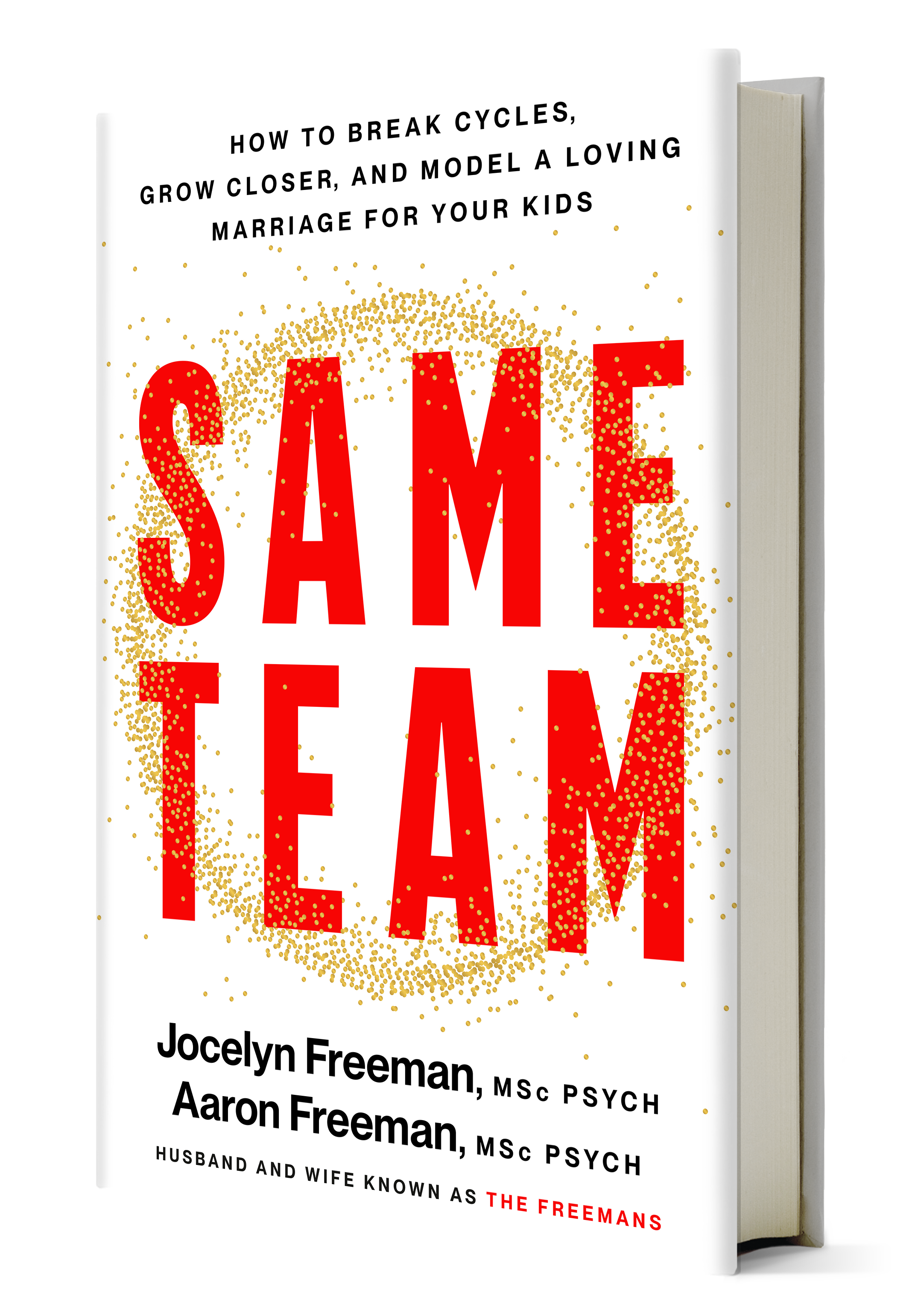
Most recently, they signed a book deal with Penguin Random House for their upcoming book SAME TEAM: How to Break Cycles, Grow Closer & Model a Loving Marriage For Your Kids — to be released in the Winter of 2026. The Freemans are currently booking speaking engagements and guest interviews for 2026 — reach out to bring them to your show or stage.

Their mission is clear: to help couples navigate both the happy and the hard seasons of marriage, lower the divorce rate, and model healthy love for the next generation.
top relationship coaches
Have any questions about which path is best for your relationship? Email us: connect@newpowercouples.com

Upcoming Media and Speaking Events

Results From Courses and Coaching

best couples workshop

Tune Into the Empowered Couples Podcast

showing the podcast on a mobile phone
Hear topics for your relationship like:
  • Ending Defensive Behavior
  • Fully Repair After a Conflict
  • 4 Keys to Emotional Intimacy
  • How to Improve Your Apology
  • Communication Personality Differences

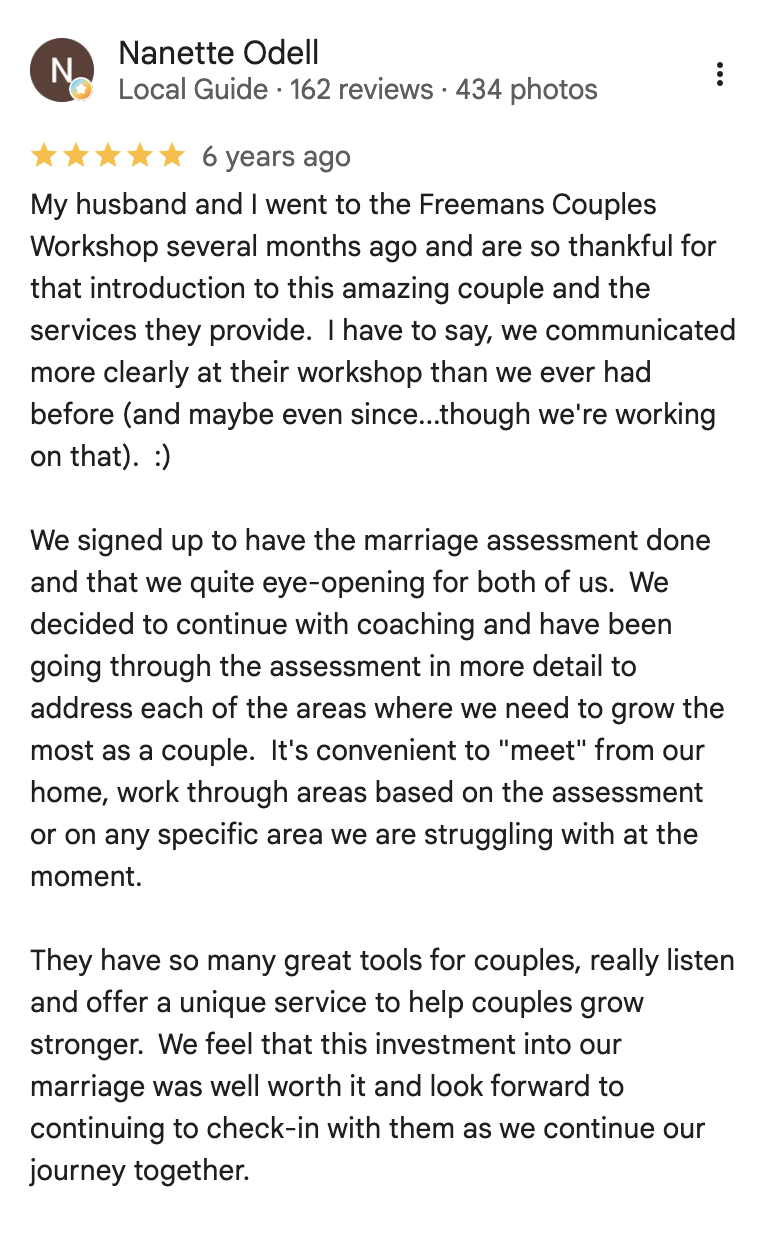
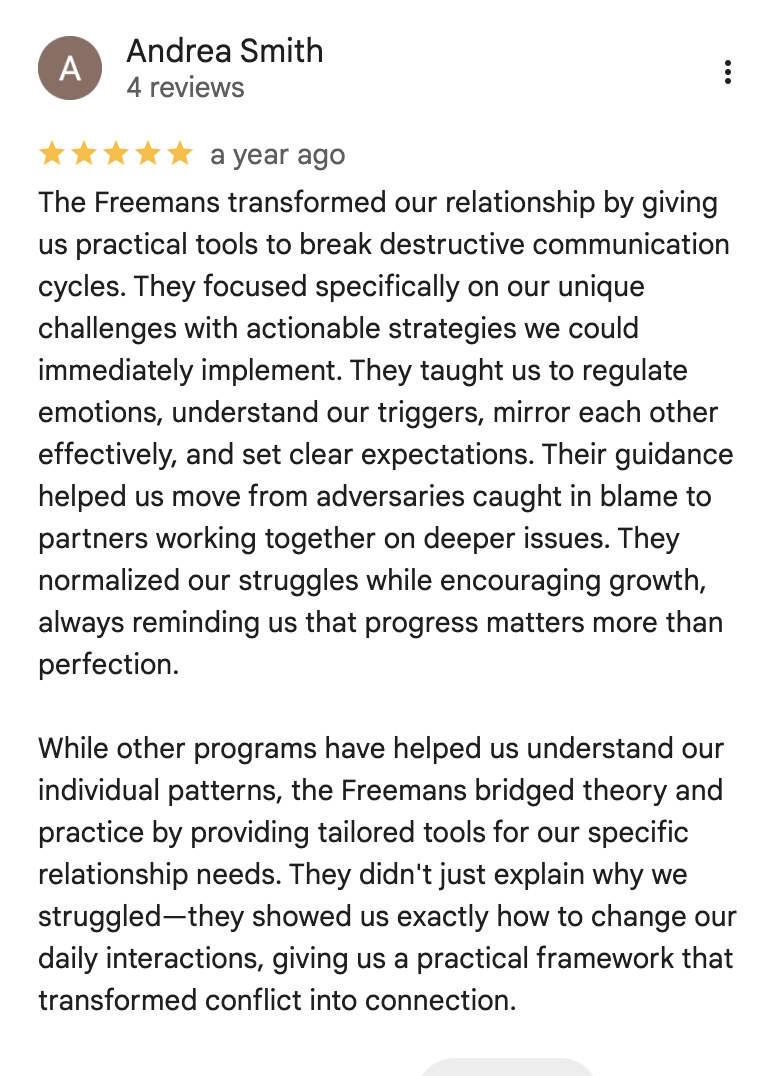
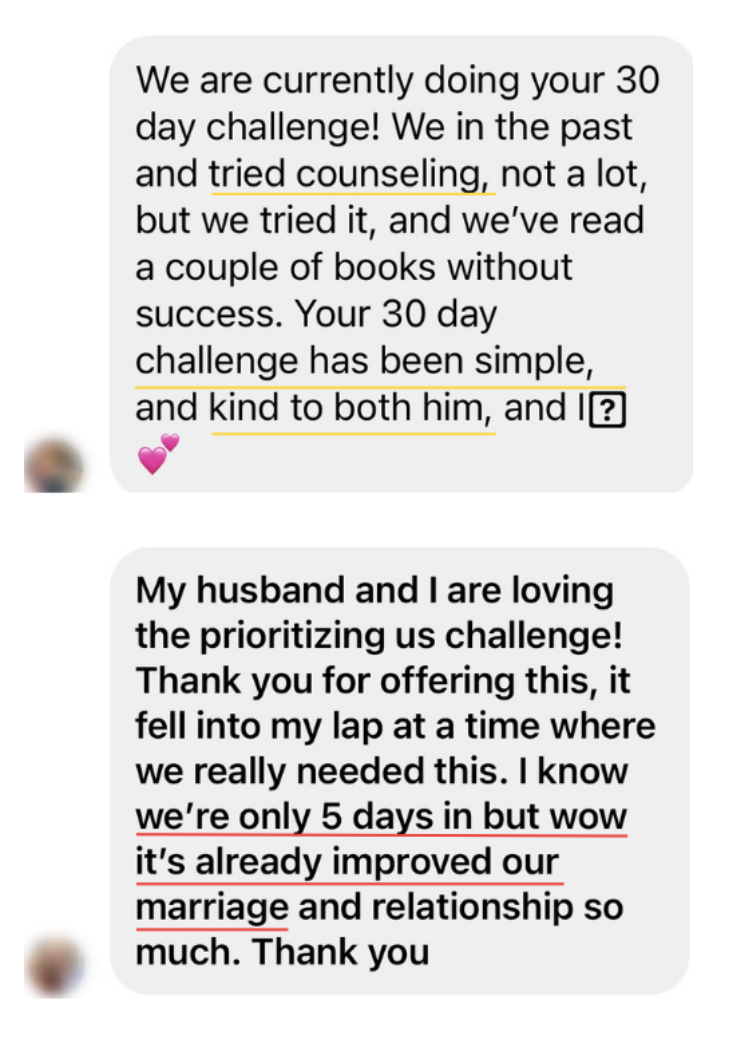
Results That Couples Have Experienced

Mayara coaching testimonial

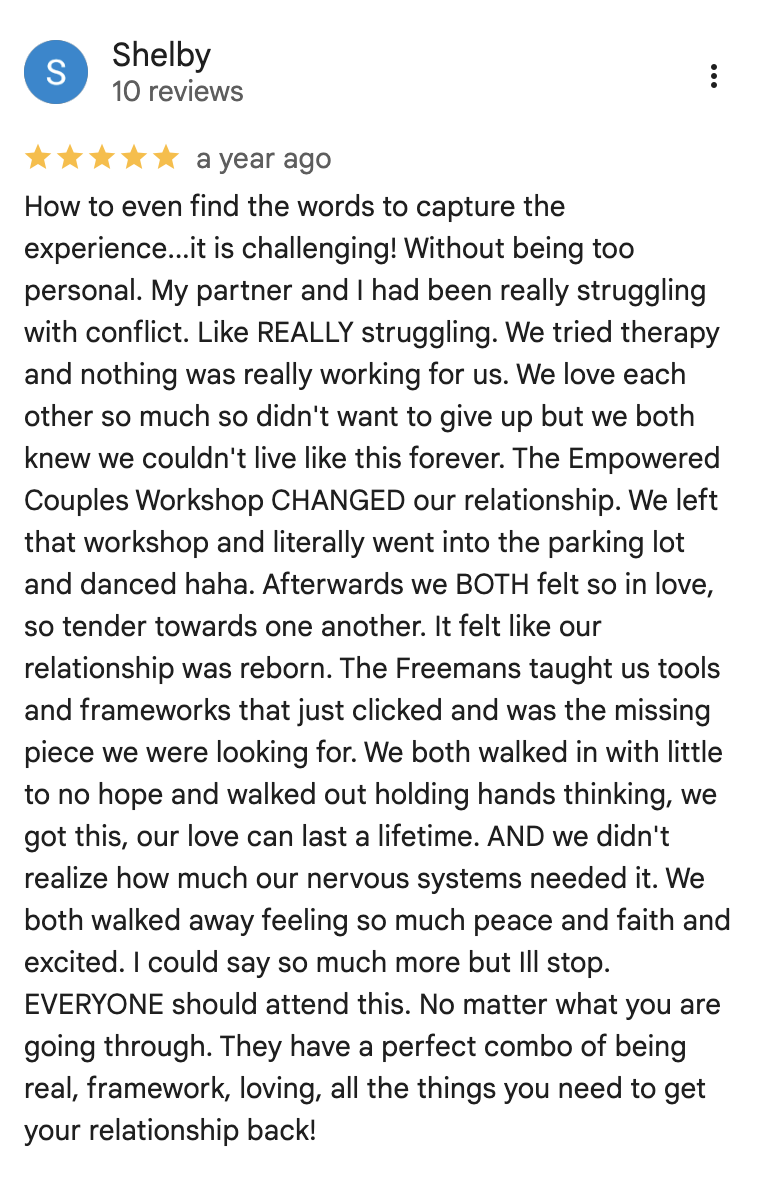
Results From The Couples Workshop

best couples workshop

The same argument keeps repeating because the conversation ends before the underlying issue gets resolved. This is the IOU Cycle at work — an Incident triggers an Overreaction, the couple tries to Undo it, and the original issue returns unchanged. The argument is the symptom. What breaks the cycle is identifying what the unresolved issue underneath it is actually asking for.

Shutting down is a response to emotional overwhelm, not indifference. When someone reaches their capacity mid-conversation, the brain's stress response overrides thinking — what looks like stonewalling is usually a system that has maxed out. The de-escalate now, debrief later approach is built for exactly this: stepping away before either partner hits that threshold, then returning when both can think clearly rather than react automatically.

Timing and framing matter as much as the words. The Seeds vs Weeds principle is the key: raising something early, when it is still a small concern, keeps the conversation manageable. The moment that concern has been sitting unaddressed for days, it becomes a weed — and pulling a weed is a different, harder conversation than planting a seed. Most couples wait too long, then wonder why every attempt to address the topic escalates before it even starts.

Counseling surfaces patterns but does not always install the skills to break them. Understanding why you argue is different from knowing what to do differently the moment an argument starts. Many couples in the Dysfunction or Function season of their marriage can describe their cycle precisely — the missing piece is a repeatable tool they can reach for mid-conversation, not just a framework to reflect on after the fact.

That feeling usually signals an imbalance in the Love Account — one partner depositing more than the other, or both expressing love in ways the other is not registering. Before concluding your partner is not trying, examine whether you are both measuring effort the same way. One partner showing up through acts of service while the other needs words of affirmation can look like a one-sided effort even when both people are genuinely trying.

Escalation happens when the conversation continues past the point where either partner can think clearly. The IOU Cycle accelerates this — an Incident triggers an Overreaction, which triggers a defense, which escalates the Incident further. The pause that breaks that chain has to come before either person is reactive, not after. De-escalate now, debrief later is the pattern: step away deliberately and early, then return when both partners can actually talk it through.

Yes — and it is one of the most common patterns in the Function season of marriage. Couples here have gotten good at managing logistics but stopped investing in each other as partners. The connection did not disappear; it went dormant under the weight of calendars, kids, and coordination. Moving from Function to Connection requires deliberate deposits into the relationship before the natural warmth returns.

Usually, one partner is explaining their experience while the other is simultaneously building their defense. Real understanding requires temporarily setting your own perspective aside — not to agree, but to genuinely track what your partner is communicating before you respond. The Same Team approach shifts the goal from winning the exchange to solving the problem together, which changes what both partners are listening for.

Reactivity signals the conversation has already passed the point of productive exchange. Most couples try to resolve conflict in the heat of the moment — which is exactly when neither partner can think clearly. The de-escalate now, debrief later framework works because catching the early signs of escalation and stepping away deliberately is far more effective than trying to work through things mid-reaction.

This is one of the most common patterns in the middle years of marriage, and it is fixable. Intimacy does not disappear because couples stop loving each other — it erodes when the Love Account runs low. When unresolved conflict accumulates and emotional safety decreases, physical closeness follows. For most couples, rebuilding intimacy starts with emotional repair rather than physical connection directly.

You are both describing real experiences — just different ones. The Argument Hangover is what happens when a fight ends but the emotional residue does not clear. Your partner may feel ready to move on; you may still be carrying what went unresolved. Neither is wrong — but moving on without real repair leaves a residue that compounds over time. The solution is building a repair process that works for both partners.

Love does not automatically come with the skill to communicate well under stress. Most couples hurt each other not from malice but from running old conflict patterns — learned from family, past relationships, or years of a dynamic never corrected. The conflict cycle feels impossible to break from inside it, especially when both people are trying and still landing in the same place. Love is present; the tools to navigate hard conversations just have not been built yet.

Power struggles happen when both partners feel their perspective is not being fully considered before a decision gets made. The Same Team model reframes the goal: instead of two people each advocating for their preferred outcome, both work together on what serves the marriage. Shifting from my position vs. yours to our problem to solve removes the adversarial structure from the conversation.

Every marriage has friction — that is not a sign something is wrong. The signal is when the same patterns repeat without resolution, when emotional distance grows rather than cycles, or when you have lost confidence things can change. Most couples in the Function season can feel the difference between a hard season and a pattern becoming permanent. If it is starting to feel permanent, that is the signal to address it — sooner is significantly easier than later.

The fight-makeup-repeat cycle signals that something is ending the argument without resolving it. Making up repairs the emotional surface; it does not address the underlying pattern. This is the IOU Cycle — Incident, Overreaction, Undo — describing the loop precisely. Breaking it requires a deliberate debrief after the fight: not just reconnection, but a conversation that identifies what started it, what escalated it, and what both partners could do differently next time.